Structure & Envelope · Windows
Windows that frame the view and hold the heat
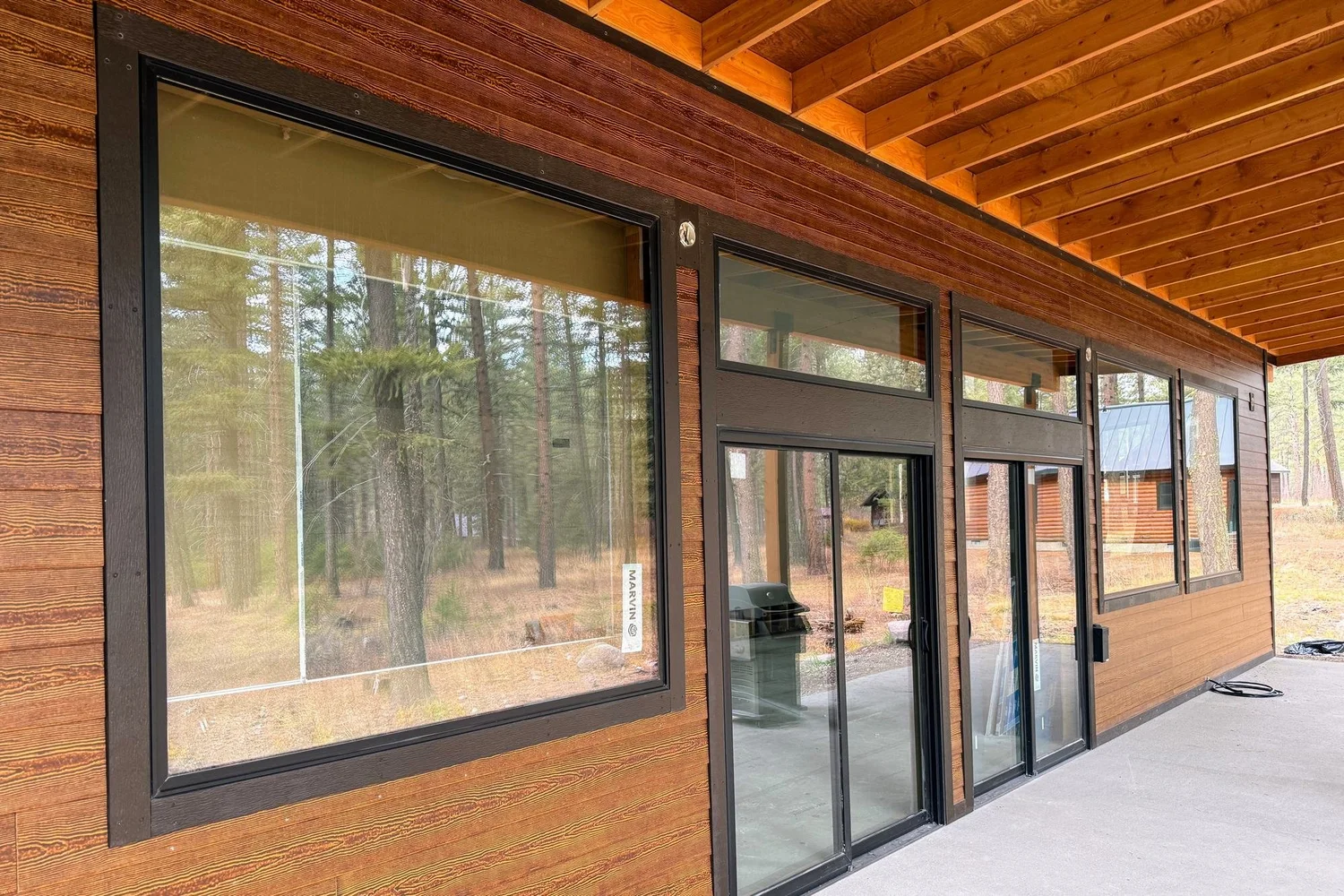
Windows frame your views and decide how warm a room feels next to the glass. Your envelope package sets how well the glass insulates. Here you pick the window line: the frame, the colors, the way they open, and how they look up close.
Good meets Washington's current energy code. Better and Best step up from there.
Your options
Pick a window line
Four lines, from simple vinyl to aluminum-clad wood. Better comes two ways: all fiberglass, or fiberglass outside with wood inside.
Good
Vinyl windows
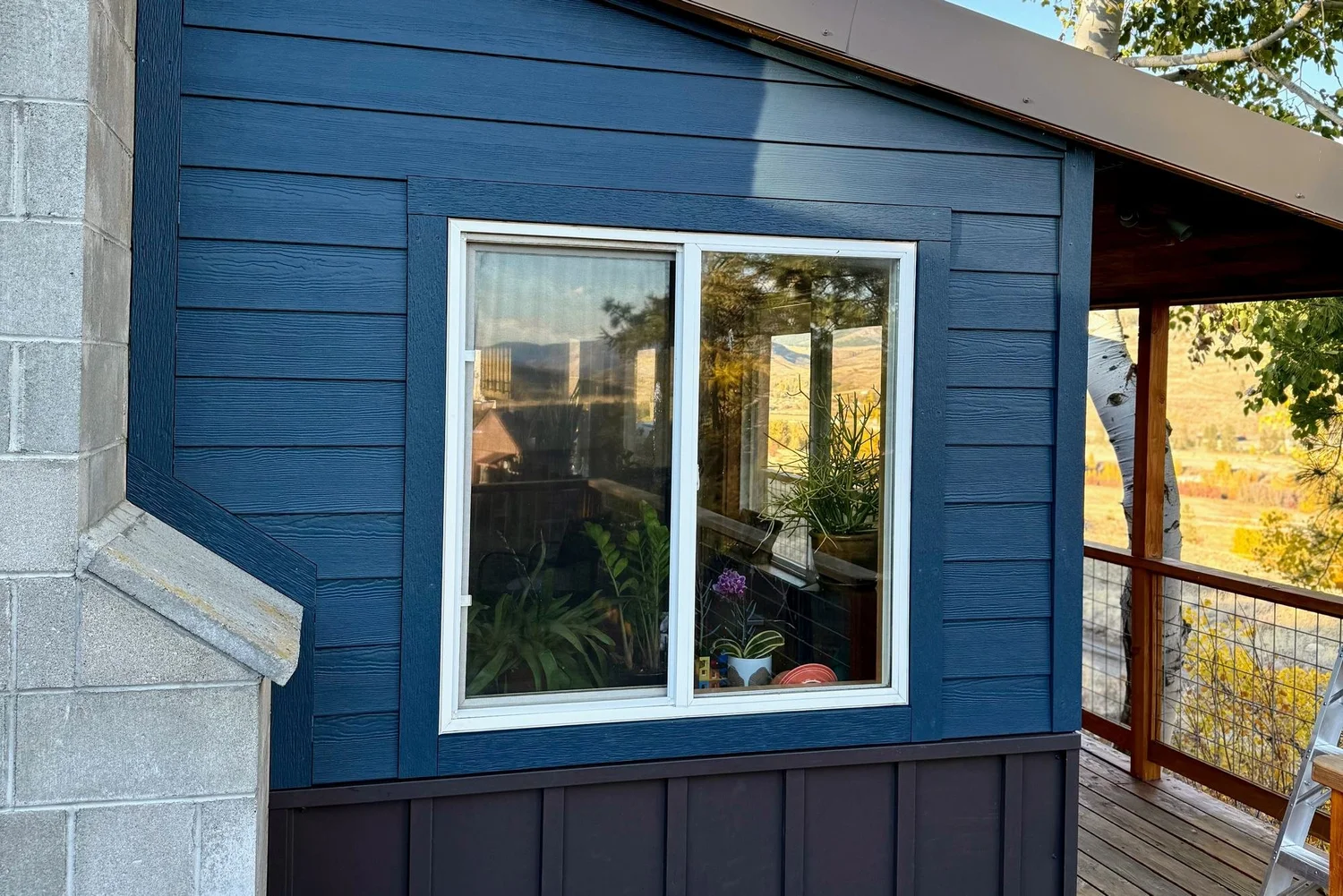
Solid, affordable vinyl windows in white, inside and out. They meet energy code, never need paint, and clean up with a wipe. This line comes as sliding and fixed windows.
Benefits
- Lowest-cost window line
- No painting or upkeep
- Meets energy code
Trade-offs
- White only
- Sliding and fixed windows only, with bulkier frames
Better
All-fiberglass windows
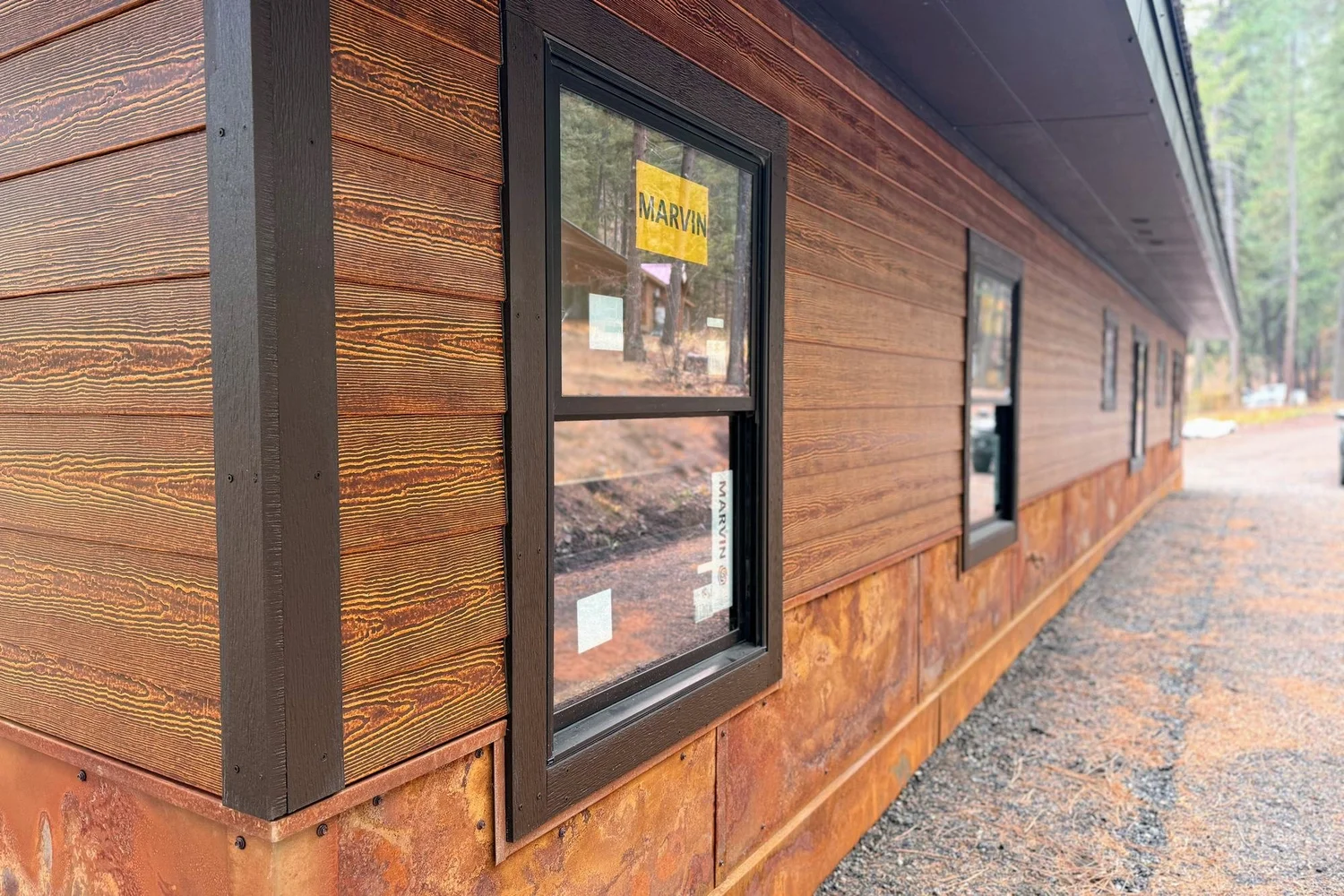
Marvin fiberglass windows, inside and out: stronger and slimmer than vinyl, and they hold dark colors like black for decades. Casement, awning, and double-hung styles fit this line.
Benefits
- Black, bronze, and other dark colors that won't warp or fade
- Slimmer frames, more glass
- Nothing to paint, inside or out
Trade-offs
- Costs more than vinyl
- Dual pane only, so not offered with our Best envelope package
Better
Fiberglass outside, wood inside
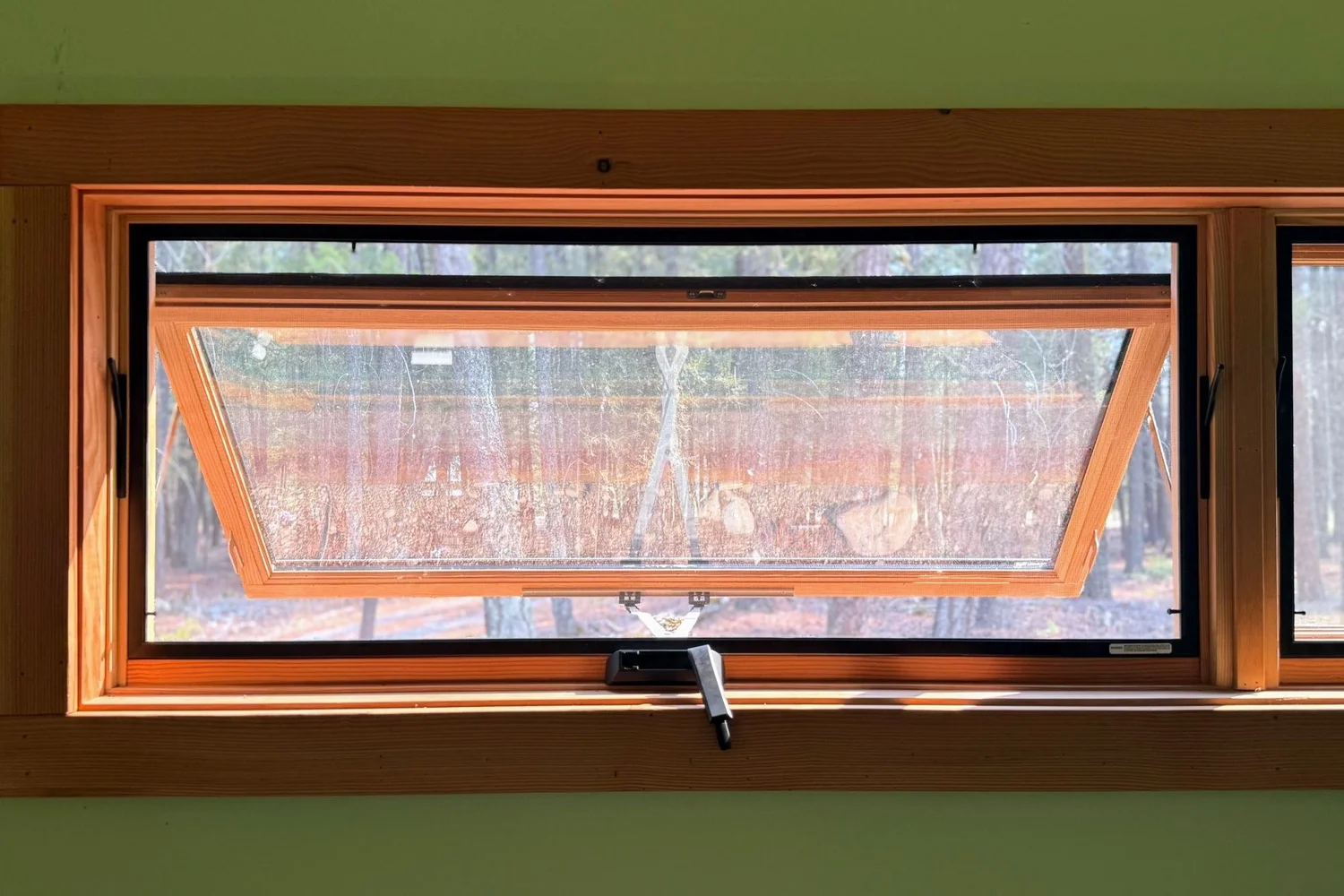
Marvin Elevate windows pair a tough fiberglass exterior with a real wood interior you can stain or paint. They're warmer to look at than all-fiberglass, and triple-pane glass is available on many styles.
Benefits
- Real wood inside, low-upkeep fiberglass outside
- Dark exterior colors that last
- Triple-pane glass available, so it works with our Best envelope package
Trade-offs
- Costs more than all-fiberglass
- Fewer colors, sizes, and custom options than aluminum-clad wood
Best
Aluminum-clad fir, triple pane
Loewen windows are solid Douglas fir inside, wrapped outside in thick aluminum that stands up to sun and snow, with three panes of glass. They're the warmest, quietest windows we install, and the fir can be stained or painted to match your interior.
Benefits
- Real wood inside, maintenance-free metal outside
- Triple-pane glass: warmer by the window, quieter rooms
- Wide color range, push-out casements, custom shapes, and matching lift-slide doors
Trade-offs
- Highest cost and longest lead time
- Heavy glass that needs extra support in a thick wall
Side by side
| Feature | Good | Better · fiberglass | Better · wood inside | Best |
|---|---|---|---|---|
| Frame | Vinyl | Fiberglass | Fiberglass outside, wood inside | Douglas fir inside, aluminum outside |
| Colors | White only | Black, bronze, and other dark colors | Dark exterior colors; wood inside to stain or paint | Widest range, plus stained or painted wood inside |
| How they open | Sliding and fixed | Casement, awning, double-hung, fixed | Casement, awning, double-hung, fixed, angled shapes | Casement, push-out, tilt-turn, awning, fixed, angled shapes |
| Glass | Dual pane | Dual pane | Dual or triple pane | Triple pane |
Set by your envelope package
The glass and how it's set in the wall
How well the glass insulates and how each window is set into the wall come with the envelope package you pick, so the windows always match the walls around them. The window line above decides the frame, colors, and style.
Good package
dual-pane glass, set on bucks
Code-level dual-pane glass. Each window sits on a plywood frame (a buck) at the face of the foam, sealed to the weather barrier.
+ Any of the three window lines works
– The coolest glass of the three packages
Better package
upgraded dual-pane glass on 2-inch bucks
Dual-pane glass with an extra heat-reflecting coating, set on 2-inch plywood bucks in the thicker, foam-wrapped wall.
+ Warmer glass than code requires
– The inside coating can show a little more condensation in very humid rooms (the HRV keeps humidity in check)
Best package
triple-pane windows with deep sills
Triple-pane glass set at the outer face of the thick double wall, with a plywood box lining the opening inside: about a 13-inch-deep window sill.
+ Warmest, quietest glass
– Heavy units need support brackets
Window styles
How should your windows open?
Most homes mix a few styles: big fixed glass for the view, and windows that open where you want fresh air.
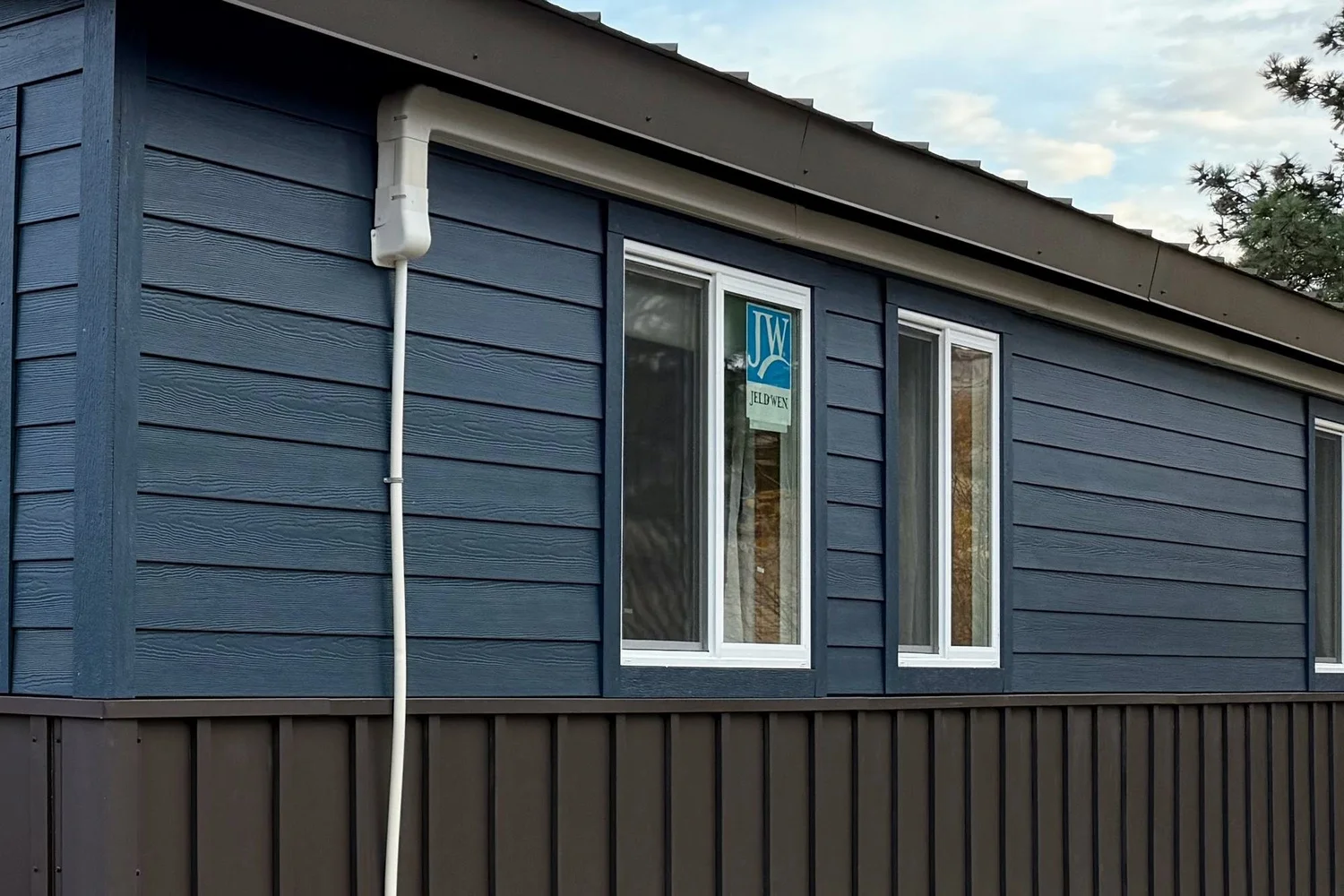
Sliding windows
One sash slides past the other. Simple, affordable, and easy to open over a counter or bed.
In the vinyl line.
- Look / Style
- Horizontal sashes, simple and classic
- Maintenance
- Low
- Lifespan
- 20-40 years (by window line)
- Relative Cost
- $
- Best For
- Bedrooms, budget builds, garages, and shops
Why people pick it
- Lowest cost opening window
- Nothing swings out into a walkway or deck
Trade-offs
- Only half the window opens
- Seals less tightly than a casement
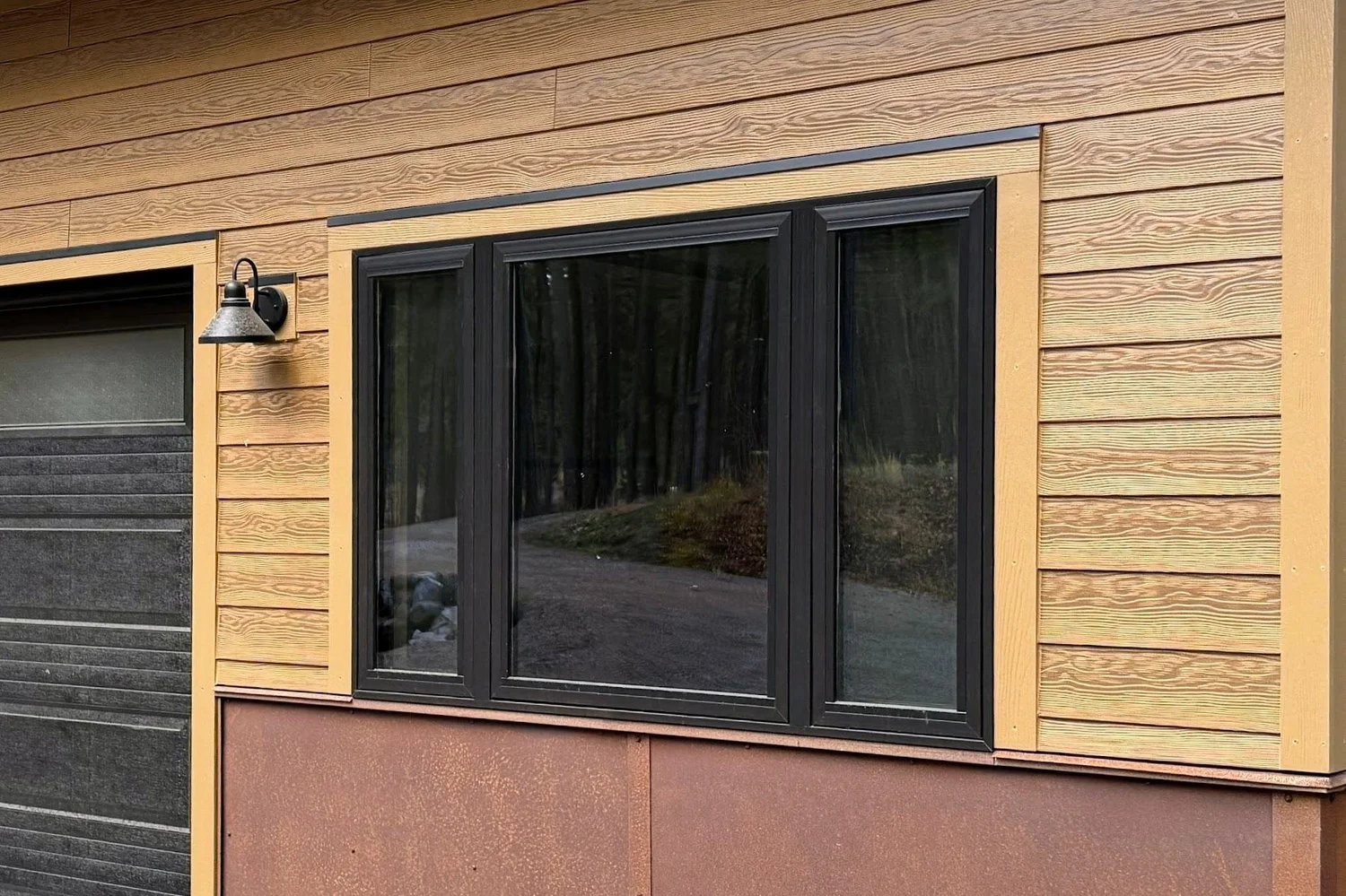
Casement & awning windows
Hinged windows that crank open: casements swing out like a door, awnings hinge at the top. They seal tight on all four sides and catch the breeze.
In both fiberglass lines and the clad-wood line.
- Look / Style
- One clean pane of glass; modern or craftsman
- Maintenance
- Low
- Lifespan
- 30-40+ years (by window line)
- Relative Cost
- $$
- Best For
- Views with fresh air; airtight cold-climate homes
Why people pick it
- Tightest seal of any opening window
- Full opening for air and egress
- Awnings can stay open in light rain
Trade-offs
- The sash swings outside, so watch decks and walkways
- Crank hardware to look after
Double-hung windows
Two sashes slide up and down: the classic farmhouse window. Both tilt in for easy cleaning from inside.
In both fiberglass lines and the clad-wood line.
- Look / Style
- Traditional, farmhouse
- Maintenance
- Low
- Lifespan
- 30-40 years (by window line)
- Relative Cost
- $$
- Best For
- Traditional and farmhouse homes; windows facing decks
Why people pick it
- Traditional look
- Nothing swings out
- Easy to clean from inside
Trade-offs
- Leaks more air than a casement
- Only half the window opens
Push-out & tilt-turn windows
Windows that open with a handle instead of a crank. Push-out casements swing outward; tilt-turn windows tip in at the top for air or swing in like a door. The sleekest, tightest-sealing windows we install.
In the aluminum-clad wood line.
- Look / Style
- Modern, minimal hardware
- Maintenance
- Low
- Lifespan
- 40+ years
- Relative Cost
- $$$$
- Best For
- Modern homes and Best-package builds
Why people pick it
- Clean look, no crank
- Excellent seal
- Tilt-turn windows clean from inside
Trade-offs
- Highest cost
- Tilt-turn sashes swing into the room; plan around sills and curtains
Big fixed windows (+ awning transom)
Big glass that doesn't open frames the view and costs the least per square foot of glass. Add an awning above or below for fresh air.
In every line.
- Look / Style
- A wall of glass framing the view
- Maintenance
- Low
- Lifespan
- 40+ years
- Relative Cost
- $
- Best For
- Great rooms and mountain views
Why people pick it
- Most glass and the best views
- Lowest cost per square foot
- Seals tightest
Trade-offs
- No airflow on its own
- Large glass is heavy, especially triple pane
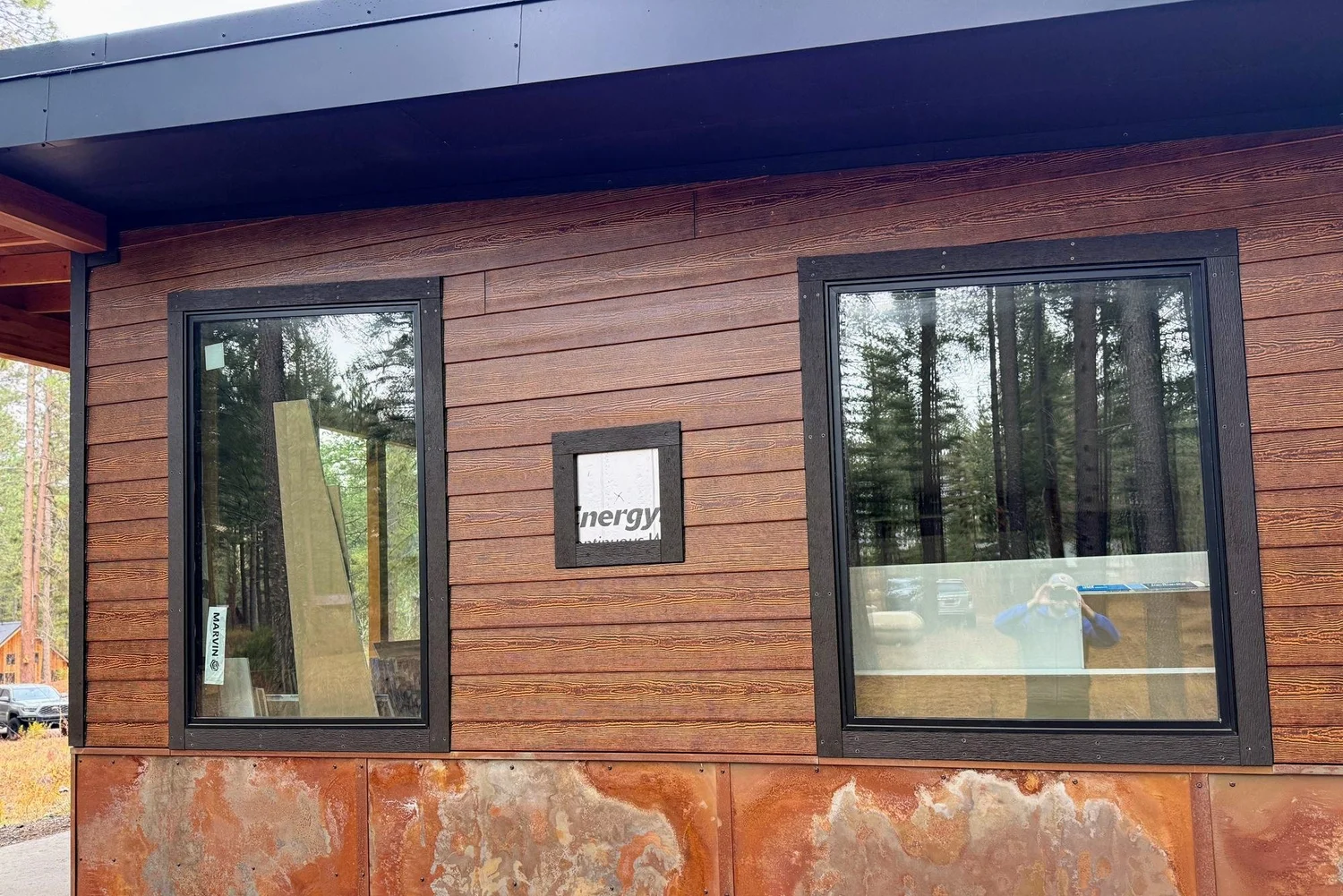
Specialty shapes
Trapezoids and angled tops that follow a shed or gable roofline, filling the top of a vaulted room with light.
In the fiberglass-and-wood and clad-wood lines.
- Look / Style
- Angled glass following the roof
- Maintenance
- Low
- Lifespan
- 40+ years
- Relative Cost
- $$$
- Best For
- Vaulted great rooms under shed or gable roofs
Why people pick it
- Glass that follows the roofline
- Big impact in vaulted rooms
Trade-offs
- Costs more and takes longer to order
- Usually fixed, and harder to shade
How we build it · every window and door
Every opening flashed and sealed
We set every window and door ourselves: a sloped pan under the sill, sealed to the weather barrier on all four sides, a metal flashing over the top, and sealed again from inside before insulation.
Any water that gets in is directed back out
Airtight around every opening
One crew responsible from rough opening to trim
How we build it · skylights
Skylights: tube skylights on request
On low-slope metal roofs under deep snow, a regular skylight is a leak and heat-loss risk we don't recommend. Where a dark hall or bath needs daylight, a small tube skylight on a raised, flashed curb brings it down through the attic.
Why it works
- Daylight in rooms without windows
- A small roof opening on a raised curb
Trade-offs
- Light only: no view or fresh air
- Any roof opening is one more spot to watch under heavy snow
FAQ
Common questions
Are triple-pane windows worth it in the Methow Valley?
In our long, cold winters they often are. A third pane keeps the glass warmer to sit next to, cuts condensation and outside noise, and lowers heating bills. They cost more and weigh more, so we pair them with our Best envelope package, where they pay off most.
Should I choose fiberglass or vinyl windows?
Vinyl is the most affordable and comes in white. Fiberglass is stronger, moves less through hot days and cold nights, and holds dark colors like black without warping or fading. It costs more.
Do you install Andersen windows?
Yes. Our supplier in Winthrop carries Andersen, and we're happy to price them next to our usual lines so you can compare.
Not sure which fits?
We'll walk through window lines, styles, and sizes with you during pre-construction and price each option on your plans.