
Site & Foundation · Beneath your feet
Beneath your feet
What will your floor be?
Your floor is decided early, because it changes how the foundation is built. On a slab, the concrete itself can be the finished floor: troweled, polished, or stained. Or the floor can be covered with wood, tile, vinyl plank, or carpet, on a slab or over a crawlspace. Choosing now lets us place, prepare, and protect the floor the right way while the house is built.
All four are compared on the same three things:
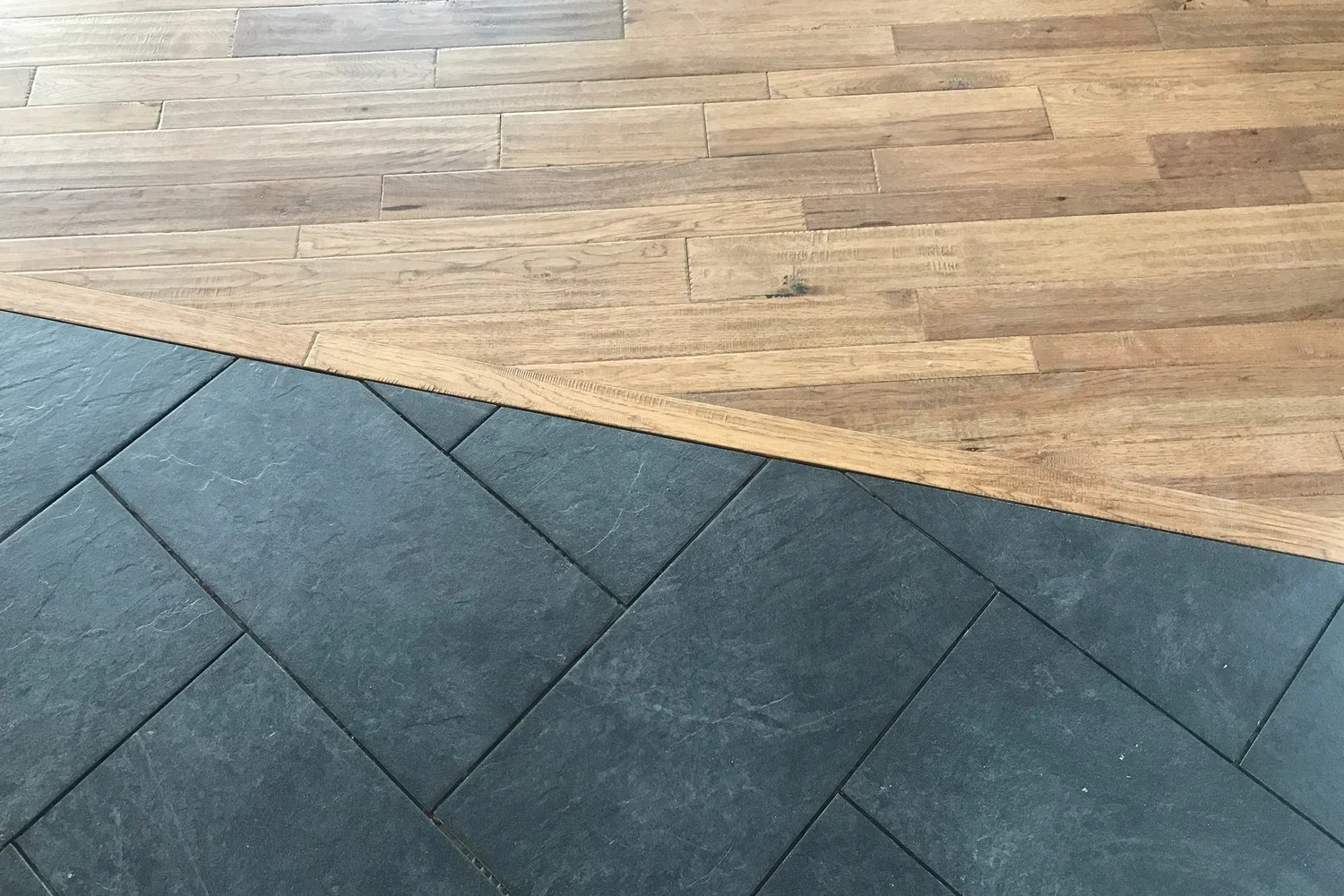
Your options
Choose your floor
On a slab, choose a concrete finish or cover it. On a crawlspace, the floor is a framed wood subfloor, so it's covered with flooring. Relative cost compares the floor finish only. You can mix them: polished concrete in the living areas, tile in the baths.
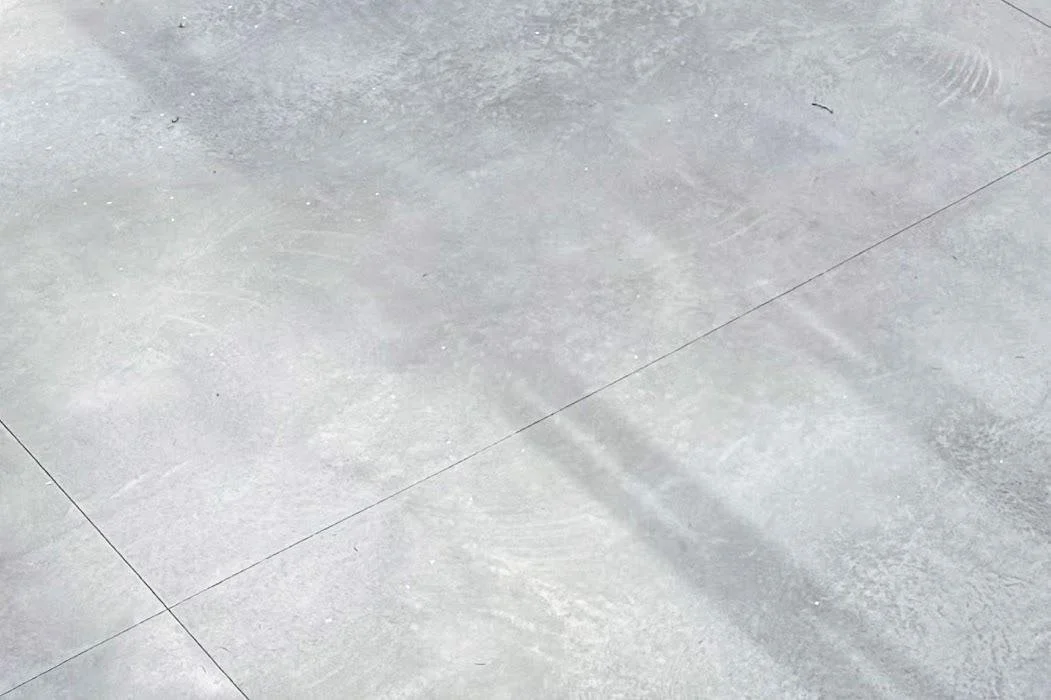
Troweled and sealed
The slab is steel-troweled smooth while it's fresh, then sealed. It's the simplest concrete floor: a soft sheen with the natural gray variation and trowel marks of hand-finished concrete.
- Look / Style
- Smooth gray concrete with a soft sheen
- Relative Cost
- $
- Best For
- Shops, garages, ADUs, and budget-minded finished floors
Why people pick it
- Lowest-cost finished floor
- Tough and easy to clean
Trade-offs
- Shows trowel marks, color variation, and any construction scuffs
- Sealer needs renewing
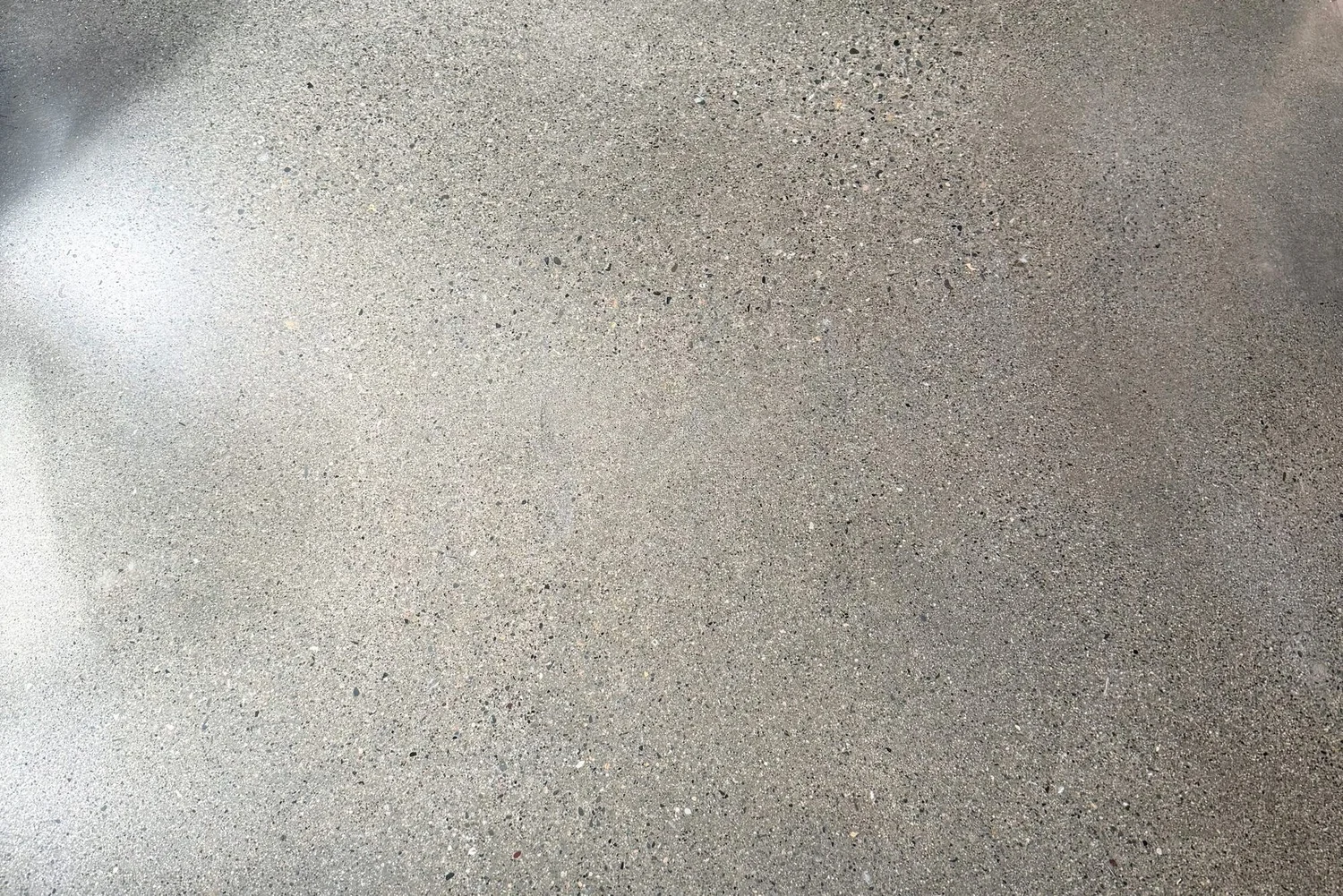
Ground and polished
After the slab cures, a specialist grinds it with diamond tooling to expose a little of the sand and stone, then polishes it to a satin or high sheen. It's our favorite look for a slab that's also the finished floor.
- Look / Style
- Satin to glossy concrete showing sand and stone
- Relative Cost
- $$$
- Best For
- Living spaces where the slab is the showcase floor
Why people pick it
- Beautiful, one-of-a-kind stone texture
- Very durable; hides wear better than troweled
- Little upkeep once densified and polished
Trade-offs
- Costs more: a specialist crew and equipment
- Hard underfoot, like any concrete
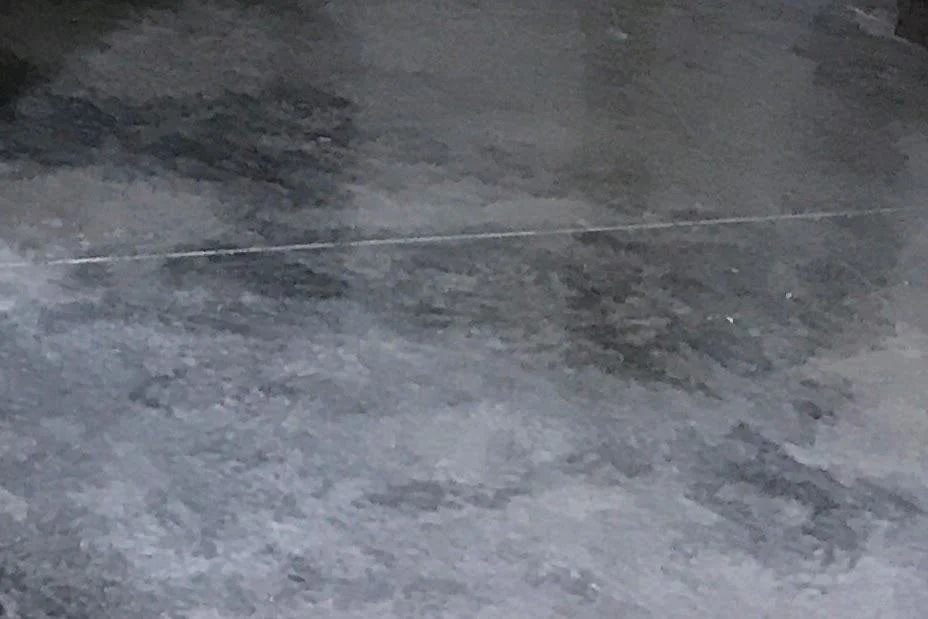
Stained or dyed
Acid stain or dye adds color to the concrete, from warm browns and tans to deep charcoal, for a mottled, natural-stone look. It can go on a troweled or a polished floor.
- Look / Style
- Mottled warm or dark color, like natural stone
- Relative Cost
- $$
- Best For
- Adding warmth or color to a concrete floor
Why people pick it
- Adds warm color without covering the concrete
- Works on troweled or polished floors
Trade-offs
- Color varies and can't be predicted exactly
- Scuffs and patches show; must be sealed
Covered with flooring
The slab or the framed subfloor over a crawlspace is built flat and smooth as a base, then covered with tile, wood, vinyl plank, or carpet. You choose the flooring itself in Interiors.
- Look / Style
- Tile, wood, plank, or carpet over the slab
- Relative Cost
- $–$$$
- Best For
- Crawlspace homes, and owners who want a different floor look in some or all rooms
Why people pick it
- Any floor look you want
- Softer or warmer underfoot with wood or carpet
Trade-offs
- Flooring cost on top of the slab
- Wood over concrete needs moisture testing and the right product
Side by side
| Feature | Troweled and sealed | Ground and polished | Stained or dyed | Covered with flooring |
|---|---|---|---|---|
| Look / Style | Smooth gray concrete with a soft sheen | Satin to glossy concrete showing sand and stone | Mottled warm or dark color, like natural stone | Tile, wood, plank, or carpet over the slab |
| Relative Cost | $ | $$$ | $$ | $–$$$ |
| Best For | Shops, garages, ADUs, and budget-minded finished floors | Living spaces where the slab is the showcase floor | Adding warmth or color to a concrete floor | Crawlspace homes, and owners who want a different floor look in some or all rooms |
Pairs well with in-floor heat
Heat in the slab
Electric heating cable or hot-water tubing can be set in the slab before the pour, turning the whole floor into a gentle radiator. A heated slab is always insulated underneath, at every package level. Which heating system fits your home is covered in Systems.
Decide before the pour: the finish and any in-floor heat change how the slab is placed, cut, and protected while the house is built.
FAQ
Common questions
Is polished concrete a good finished floor for a house?
It's one of the toughest floors you can have: it won't scratch like wood, it's easy to clean, and it holds heat from the sun or in-floor heating. Concrete is hard underfoot and can have small hairline cracks, which most owners come to see as part of its character.
What if my home is on a crawlspace?
Then your floor is a framed wood subfloor, built stiff and insulated underneath, and it gets covered with the flooring you choose: wood, tile, vinyl plank, or carpet. Pick the look in Interiors; we plan the subfloor and any tile or heated areas now.
Are concrete floors cold in winter?
Not when they're built right. In our homes the slab sits on insulation, so it stays close to room temperature, and in-floor heat in the slab makes it the warmest floor in the house. Rugs help in sitting areas.
What's the difference between troweled, polished, and stained concrete?
Troweled concrete is smoothed during the pour and sealed: simple and affordable. Polished concrete is ground with diamond tooling after it cures to expose a little stone and buffed to a sheen. Stain or dye adds color to either.
Want to see a polished slab?
Ask to visit a finished Bedrock floor, and we'll price the finishes on your plans during pre-construction.